
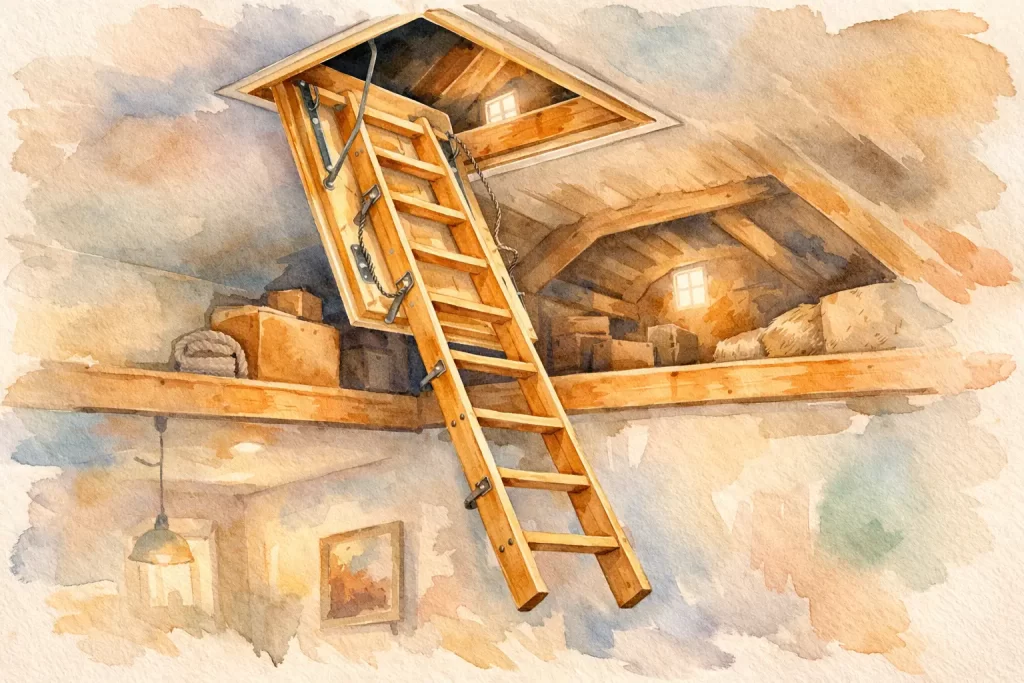
That old attic hatch with a shaky step stool underneath usually works right up until the day it really does not. For most homeowners, pull down attic stairs installation is less about adding a feature and more about fixing a daily annoyance safely, neatly, and without turning the house upside down.
If you use your attic for storage, access matters more than people think. A proper attic stair setup saves time, reduces the risk of falls, and makes the space feel usable instead of awkward. The difference is not just the ladder itself. It is the fit, the hatch, the insulation, the finish, and how cleanly the job is done.
What pull down attic stairs installation actually involves
A lot of homeowners picture this as a simple swap – cut a hole, drop in a ladder, and move on. Sometimes it is close to that. Often, there is a bit more to it.
A professional installation usually starts with checking the existing attic opening, the ceiling height, the available landing space below, and the clearance in the attic above. Not every hallway, landing, or box room suits the same ladder. The right setup depends on how the stairs will fold, where the swing space is, and whether the attic itself is ready for regular use.
The hatch frame needs to sit square, seal properly, and support the unit securely. If the attic door is poorly fitted, you can end up with drafts, heat loss, and a finish that always looks slightly off. That is why experienced installers focus on the full system, not just the moving parts.
Why homeowners replace basic attic access
The most common reason is simple – convenience. A pull down ladder turns attic access from a two-person balancing act into something one person can use in seconds. For busy households, that matters.
The second reason is safety. Standing on chairs or dragging out a folding ladder every time you need Christmas decorations or suitcases is not a great long-term plan. A fixed attic stair unit gives you a more stable angle, better footing, and a predictable way in and out of the attic.
Then there is the bigger picture. Once access improves, homeowners are much more likely to use the attic properly. Storage becomes realistic. Seasonal items stop taking over closets. In many homes, that one upgrade makes the rest of the house feel less cramped.
Pull down attic stairs installation: the biggest factors to get right
The first is size. The attic opening has to suit the ladder model, or the opening needs to be adjusted. A ladder that is too small for the space can feel flimsy. One that is wrong for the opening can create finishing problems and extra labor.
The second is ceiling height. Pull down attic stairs are built for specific height ranges. If the ladder is not matched correctly, the climb can feel too steep, the feet may not sit properly on the floor, or the sections may not fold as intended.
The third is insulation. This gets overlooked all the time. The attic hatch is part of your thermal envelope. If you install a ladder with a poorly sealed door, you are creating a weak point where heat escapes. An insulated attic door and proper sealing make a real difference, especially in homes where comfort and energy efficiency matter.
The fourth is how the attic will be used after the install. If the goal is light storage, access alone may be enough. If you plan to store boxes regularly, the flooring and safe walking area above matter just as much as the ladder below. Easy access to an unsafe attic is not really an upgrade.
DIY versus professional installation
Some homeowners look at pull down attic stairs installation and think it should be a straightforward weekend project. If you are experienced with framing, finishing, measurements, and overhead work, that can be true in some houses. But there are trade-offs.
The biggest issue is accuracy. The opening has to be right, the frame has to be level, and the ladder has to be trimmed and adjusted properly. Small errors show up fast. The stairs may not close flush, the hatch may stick, the folding sections may sit unevenly, or the unit may creak and shift in use.
There is also the finish. A professionally fitted attic ladder should look like it belongs in the house. Clean cuts, neat trim, secure fixing, and minimal mess are a big part of the value. Homeowners usually do not want to spend their weekend patching ceilings or cleaning sawdust out of the landing.
Then there is peace of mind. A specialist installer has likely seen every awkward layout already – tight hallways, limited swing clearance, odd joist spacing, older ceilings, and attics with poor headroom. That experience tends to save time and avoid expensive guesswork.
What to expect on installation day
A good installation process should feel organized from the start. The area below the attic opening is protected, tools are brought in efficiently, and the work happens with as little disruption as possible.
If a new opening is needed or the existing one needs adjustment, that is done first. The ladder unit is then positioned, fixed securely, and checked for level and alignment. Once installed, the ladder is adjusted to the exact ceiling height so it opens smoothly and rests correctly on the floor.
The attic door should close cleanly and sit neatly in the frame. If insulation and sealing are part of the package, those are fitted at the same time. Before the job is finished, the stairs should be tested repeatedly, the work area cleaned, and the customer shown how to operate the ladder safely.
In many homes, the actual fitting can be completed in a matter of hours. That is one of the reasons homeowners choose a specialist service instead of dragging the job out over multiple visits.
Choosing the right ladder for your home
Not all attic ladders feel the same in use. Timber models are popular because they are sturdy, look tidy, and suit everyday storage access well. Aluminum options can be a good fit where weight, budget, or frequent use are key factors.
The best choice depends on the house and the homeowner. If you want something solid underfoot with a cleaner finished look, a wooden folding ladder often makes sense. If the space is tighter or the access pattern is different, another style may suit better. This is where an on-site assessment helps. It is much easier to recommend the right unit when you can see the ceiling height, opening size, and floor space.
The extra features that make the job worthwhile
The ladder gets the attention, but the best results often come from the add-ons around it. A handrail improves confidence on the climb. An insulated attic door helps reduce heat loss. Airtight sealing improves the finish and stops the hatch from becoming a draft point.
If the attic is being used for storage, raised flooring is often the next smart step. It gives you practical space without compressing insulation and makes the whole upgrade feel complete. For homeowners who want one company to handle access and storage preparation together, package-based installation is usually the easiest route.
Cost, value, and what homeowners really care about
Most people are not just shopping for the cheapest ladder. They are looking for a job done right the first time. That means a clear quote, a suitable product, tidy workmanship, and no surprises halfway through.
Cost will vary based on the ladder type, whether the opening needs modification, and whether extras like insulation, handrails, or attic flooring are included. The cheapest option on paper can end up costing more if the finish is poor or the hatch leaks heat afterward.
What homeowners value most is clarity. They want to know what is included, how long it will take, and whether the installer does this kind of work every day. That is why specialists with a strong track record tend to stand out. They can usually assess the space quickly, explain the best option without overcomplicating it, and complete the work efficiently.
When pull down attic stairs installation is worth doing now
If getting into the attic is currently awkward, unsafe, or messy, waiting rarely improves the situation. The same goes if storage is spilling into bedrooms, closets, or the garage. Better attic access can solve a practical problem immediately.
It is also worth doing before winter if your current hatch is poorly insulated. A properly fitted, insulated attic access point helps avoid drafts and improves the overall feel of the upstairs landing. It is not the biggest energy upgrade in a house, but it is one of the most noticeable if the old setup was weak.
For homeowners who want a straightforward job with a clean result, this is one of those improvements that punches above its weight. Done properly, it changes how you use the house every week, not just how it looks on the day of installation.
A good attic ladder should open easily, feel secure, and disappear neatly when you are done. That is the standard worth aiming for.